Instagram Engagement Rate: What It Actually Means and How to Read Yours
Two accounts with the same follower count can have wildly different engagement rates — and the one with fewer followers is often doing better. Here's what the number means and what to do about it.

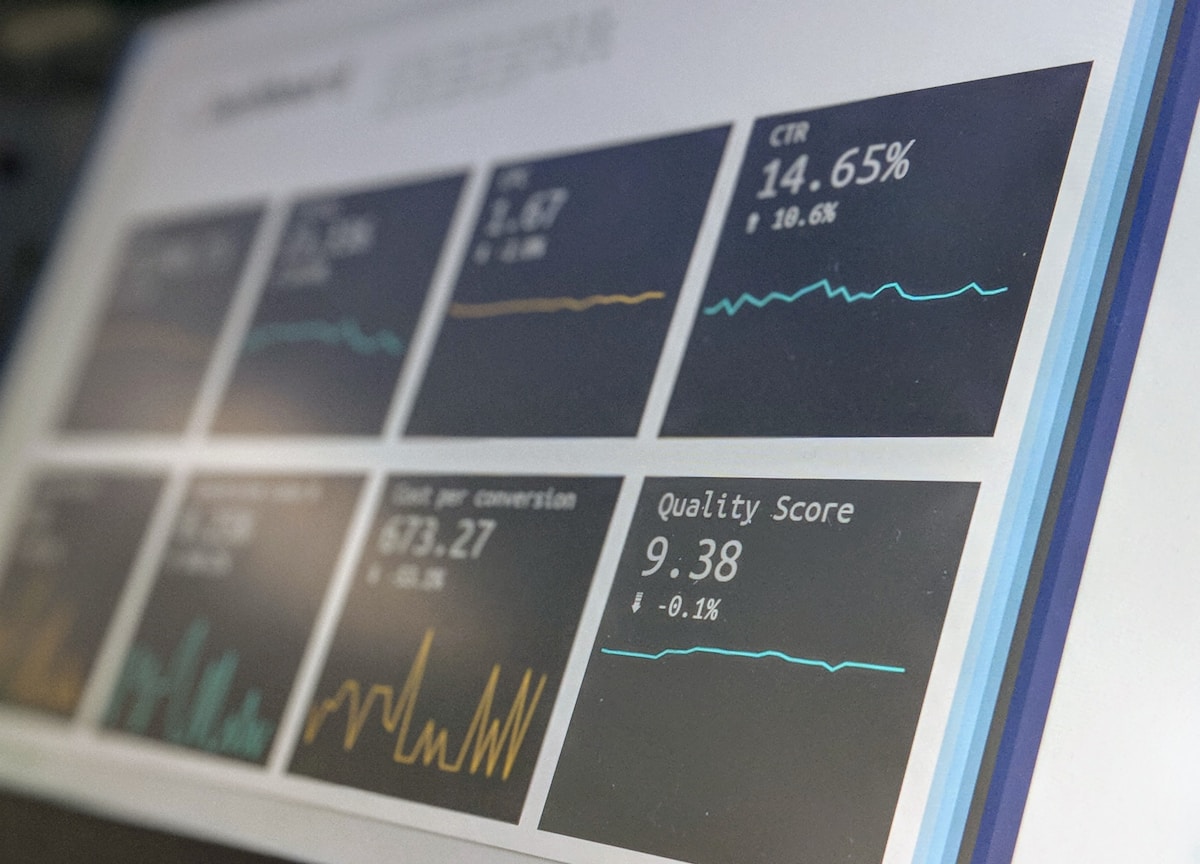
Follower count is the number everyone sees first, and the one that matters least once you look closer. Engagement rate — how much of your audience actually interacts with what you post — is the number that tells a brand, or you, whether an audience is actually paying attention. A creator with 8,000 highly engaged followers routinely outperforms one with 80,000 who mostly scroll past.
What engagement rate is, exactly
At its simplest, engagement rate is your interactions (likes, comments, saves, shares) divided by your reach — the number of accounts that actually saw the post. Dividing by reach rather than follower count is the fairer comparison, since it accounts for the reality that not every follower sees every post, and a post that traveled well beyond your followers should get credit for the extra reach it earned.
Rough industry ranges, held loosely
You'll see a commonly cited range of roughly 1-3% as "healthy" engagement rate for many creator accounts, with anything meaningfully higher considered strong — but treat any single fixed number with suspicion. Engagement rate naturally drifts down as an account grows (a bigger audience is a more diluted one), and it varies a lot by niche, content format, and posting frequency. The number that actually matters is your own trend over time, not how you stack up against a generic internet average.
Why comparing to your own tier matters more
A fairer benchmark than a flat global number is comparing your rate to accounts roughly your size — a 2% engagement rate might be unremarkable at 5,000 followers and excellent at 500,000. IG Suite's Analytics Benchmarks tab does this automatically: it rolls your engagement rate and several related metrics into a single health score, measured against a healthy range for your specific follower tier, so you're reading your standing relative to accounts actually like yours.
The metrics worth watching alongside it
- Save rate. Saves are widely considered the strongest "this is worth coming back to" signal — chase saves over raw likes when judging what resonated.
- Share rate. Shares are what actually pull in reach beyond your existing followers; a post with a modest like count but strong shares often outperforms a "safer" high-like post over time.
- Discovery (non-follower reach). The share of your reach coming from accounts that don't follow you yet — a rising number means the algorithm is actively pushing you to new people.
What to actually do with a low number
- High reach, low engagement usually means the content is easy to look at but doesn't prompt action — try ending with a clearer, more specific prompt.
- Low reach, decent engagement often means the content resonates with existing followers but isn't traveling — that's a discovery problem, not a content-quality one.
- A declining trend across several posts in a row is worth more attention than any single post's number.
Reading it without obsessing over it
Engagement rate is a useful compass, not a scoreboard to check hourly. Look at it weekly, act on one clear pattern at a time, and weigh it alongside reach and saves rather than in isolation. Connect Instagram free to see your own benchmarked health score, or read more in the Insights docs.