How to Plan Your Instagram Grid (and Actually Stick to a Schedule)
Most creators don't miss posting days because they run out of ideas — they run out of the twenty minutes it takes to edit, caption, and post one photo at exactly the right moment. Here's a system that removes that step.

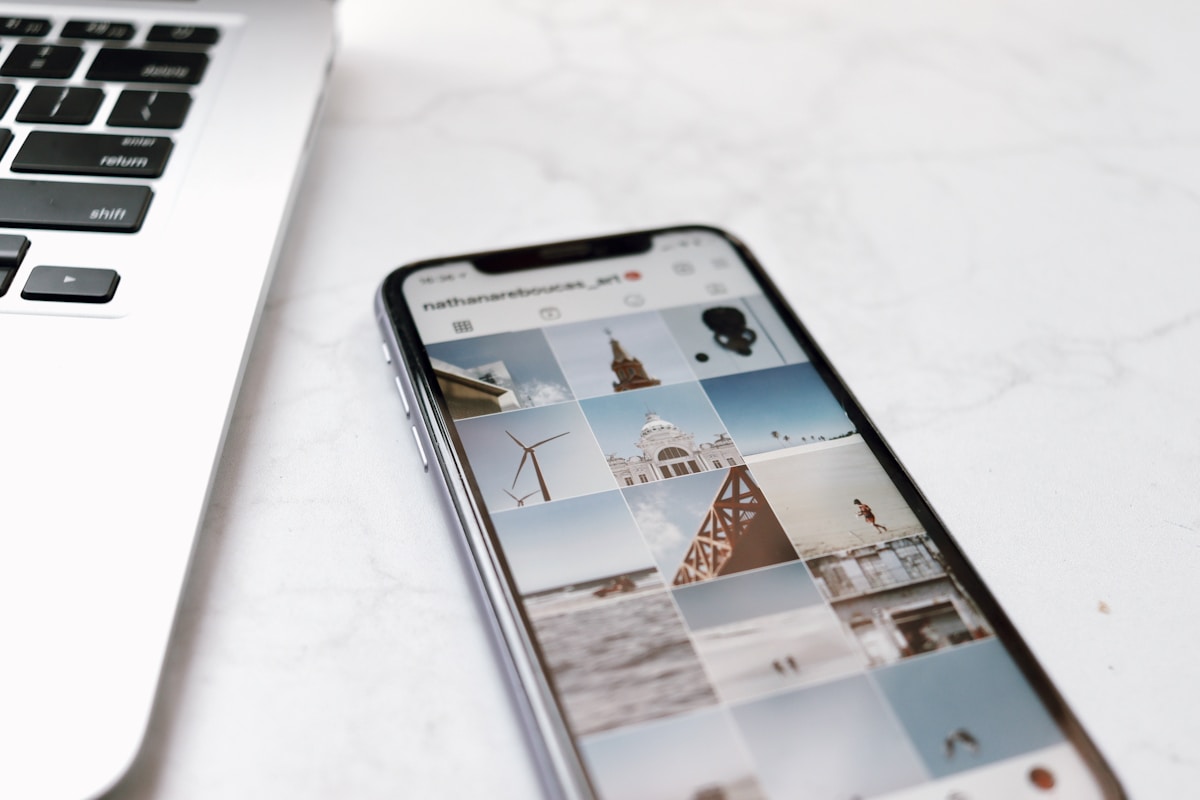
Consistency is the most repeated piece of Instagram advice, and also the most quietly hard one to follow — not because creators run short on ideas, but because "post it right now, at the right time, from your phone" is a surprisingly fragile habit to maintain every single day. A content calendar fixes this by separating two things that don't need to happen together: making the content, and the moment it goes live.
Batch the making, automate the posting
The creators who post consistently for years, not just for a good month, almost all do the same thing: they set aside a block of time to shoot and edit several posts at once, then schedule them to go out over the following days or weeks. This turns "did I post today" from a daily decision into a solved problem — the content is already made, already scheduled, and publishes itself.
Planning visually, not just chronologically
A grid is judged as a whole, not post by post — two similar-toned photos next to each other, or a jarring color break in the middle of a series, is only visible when you can see the layout ahead of time. IG Suite's Plan page has a Grid view built for exactly this: upcoming posts show as draggable tiles alongside your already-published content, arranged the way they'll actually appear on your profile, so you can drag them into a better order before anything goes live — and a Queue view alongside it lists the same posts chronologically with their scheduled times, for when you want the list instead of the layout.
Editing without leaving the composer
A photo that needs a crop or a color fix shouldn't require switching apps mid-schedule. The built-in photo editor covers what Instagram's own composer does: aspect ratio (including the exact 1:1, 4:5, and 1.91:1 crops Instagram itself uses for feed posts), zoom, rotate, flip, sixteen one-tap filter presets, and ten individual adjustment sliders — brightness, contrast, warmth, saturation, tint, fade, highlights, shadows, vignette, and a fine straighten control — all editable right in the same window you're scheduling from.
A simple weekly system
- Pick one batching session per week. An hour spent shooting and editing five posts beats five separate ten-minute scrambles.
- Upload everything into the Grid at once. Seeing them side by side before scheduling catches visual clashes early.
- Schedule around your best hours. If you already know when your audience is most active, use that instead of guessing — see our guide on finding your best time to post.
- Leave one or two slots open. Timely content (a trend, a reaction, a launch) still needs room; a fully locked calendar a week out can't flex for it.
Carousels and Reels fit the same flow
The same composer handles single photos, Reels (video), and carousels (2-10 photos) — pick the type, upload, caption, and schedule exactly the same way regardless of format, so a grid can mix formats without extra tooling per type.
Getting started
Planning a week's worth of content in one sitting, instead of daily, is the single biggest lever for actually staying consistent. Start free and connect Instagram to try the Grid view, or read the full scheduling walkthrough.